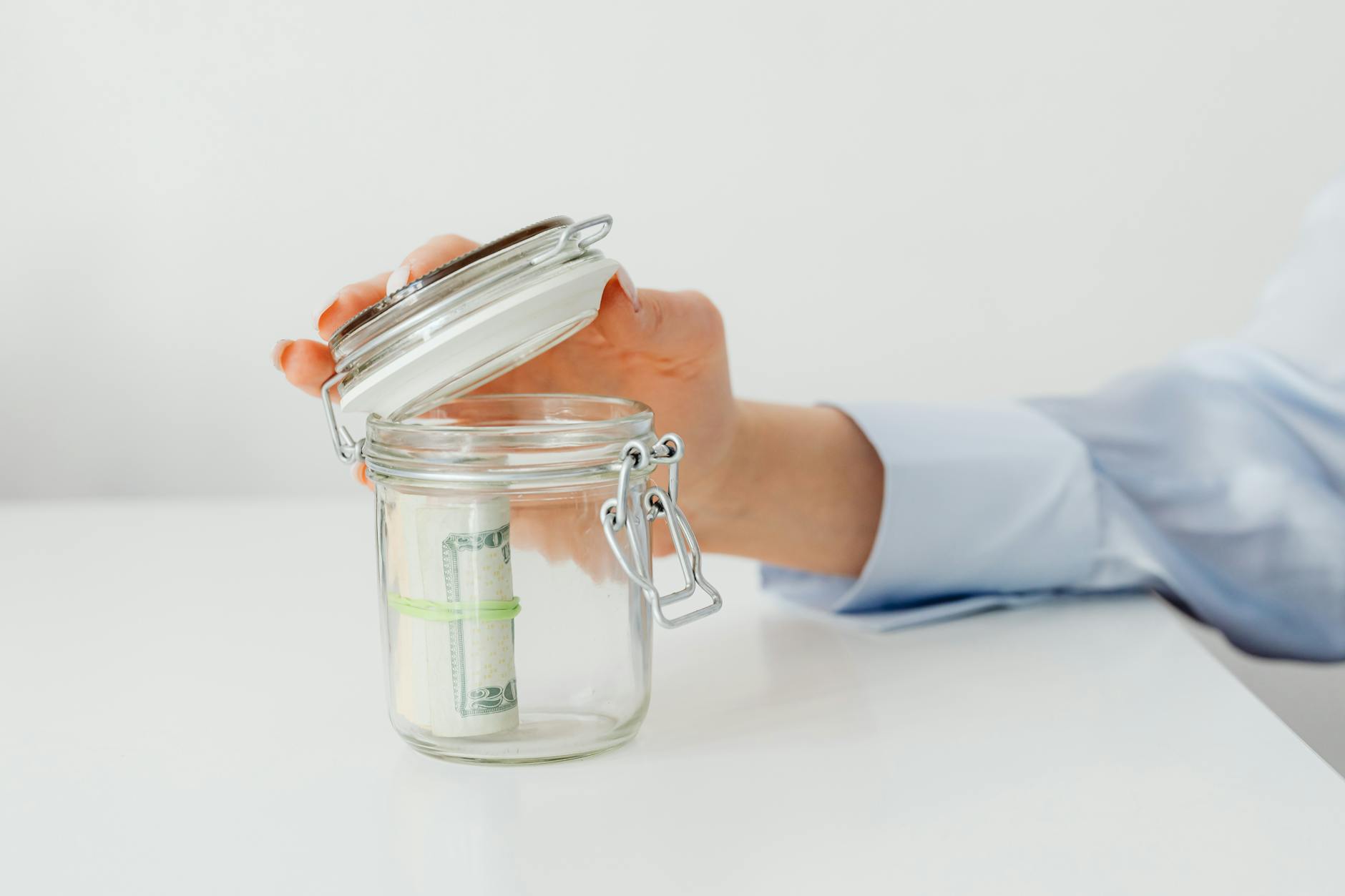
Photo by www.kaboompics.com on Pexels
Imagine you’ve just received an unexpected car repair bill that’s double your monthly rent. Your heart races, you start scanning your bank account, and you realize you have barely enough to cover the basics. This is the exact moment many people wish they had a safety net. Learning how to build an emergency fund from scratch can turn that panic into confidence, giving you the breathing room to handle surprises without derailing your financial plan.
Set a Realistic Goal
Determine the right amount for your situation
Financial experts typically recommend saving three to six months’ worth of essential expenses. Start by listing your monthly necessities—rent or mortgage, utilities, groceries, transportation, and minimum debt payments. Add them up, then multiply by the number of months you feel comfortable covering.
- Example: If your essential expenses total $2,500 per month, a three‑month goal would be $7,500.
- Consider your job stability. If you work in a volatile industry, aim for the higher end of the range.
- Adjust the target as life changes (e.g., a new child or a move).
Writing this goal down and placing it somewhere visible—like a whiteboard in your kitchen—creates a tangible reminder that keeps you motivated.
Trim Expenses and Find Extra Cash
Identify low‑hanging savings opportunities
Before you can save, you need to free up money. Conduct a 30‑day expense audit: track every purchase, from coffee to streaming subscriptions. When the data is in front of you, you’ll spot patterns you didn’t realize were costing you.
- Cancel unused gym memberships or switch to a cheaper at‑home workout routine.
- Swap premium cable for a streaming bundle that costs half as much.
- Negotiate bills—call your internet provider and ask for a promotional rate.
- Meal‑plan and batch‑cook to cut grocery waste by up to 30%.
Turn side‑hustles into emergency fund fuel
Even a modest extra income can accelerate your savings timeline. Consider freelance writing, rideshare driving, or selling gently used items on platforms like eBay. The key is to earmark 100% of this additional cash for your emergency fund, not for discretionary spending.
Automate Your Savings
Make saving a default, not a decision
Automation removes the temptation to spend money you intended to save. Set up an automatic transfer from your checking account to a separate high‑yield savings account on payday. Start with a comfortable amount—perhaps $100 per paycheck—and increase it whenever you get a raise or reduce an expense.
- Choose an account with no monthly fees and a competitive APY (annual percentage yield).
- Consider a “round‑up” feature that transfers the cents from each purchase to your fund.
- Schedule the transfer the day after you receive your salary to avoid accidental overspending.
Because the transfer happens before you see the money in your checking account, you’ll never miss it, and the habit compounds over time.
Protect and Grow Your Fund
Keep the money safe yet accessible
An emergency fund isn’t an investment vehicle; it’s a safety net. Choose a liquid account—like a high‑yield online savings account or a money market fund—so you can access cash within 24‑48 hours without penalties.
- Avoid tying the fund to stocks or long‑term certificates of deposit (CDs) that lock away your money.
- Maintain a separate account to prevent accidental spending on everyday purchases.
- Set up mobile alerts for any withdrawals so you stay aware of activity.
Re‑evaluate regularly
Life isn’t static. Review your emergency fund goal at least annually—or after any major life change such as a new job, marriage, or the arrival of a child. If your expenses have risen, increase your target and adjust your automatic contributions accordingly.
By keeping the fund in a high‑yield account, you’ll also earn modest interest, helping the pot grow without any extra effort.
Frequently Asked Questions
How long does it typically take to build a three‑month emergency fund?
The timeline varies based on income, expenses, and how aggressively you save. For a household saving $500 a month, a $7,500 goal would be reached in about 15 months. Accelerating the process is possible by cutting larger expenses or adding side‑hustle income.
Should I keep my emergency fund in a checking account?
Generally no. Checking accounts often offer little to no interest and may tempt you to spend the money. A high‑yield savings or money‑market account provides better growth while keeping the funds liquid.
What qualifies as an “emergency” expense?
True emergencies are unexpected, necessary costs that you cannot postpone—such as medical bills, car repairs, job loss, or essential home repairs. Avoid using the fund for planned purchases like vacations or new gadgets.
Found this helpful? Share it with someone who needs it! 💰