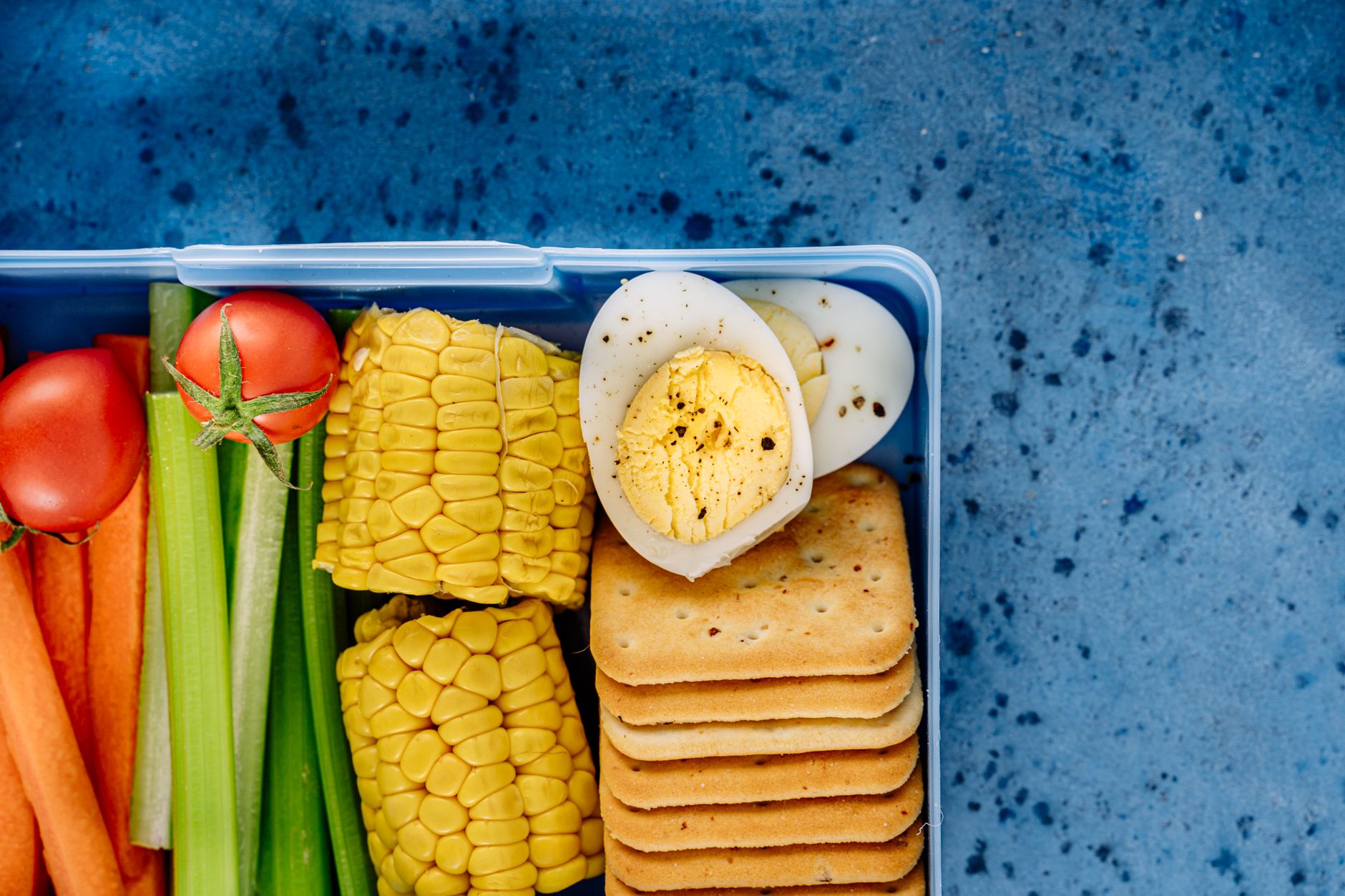
Photo by Adventure Studio on Pexels
Why a $2.75 Lunch Makes a Big Difference
Most Americans spend between $8 and $12 on a weekday lunch. If you’re paying $10 on average, that’s $50 a week and roughly $2,600 a year. By preparing a simple, nutritious lunch for $2.75, you cut that expense by $7.25 per day.
Even if you only replace half of your work‑day meals, the math adds up quickly:
- Savings per lunch: $7.25
- Days per week saved: 3 (half of a 5‑day workweek)
- Weekly savings: $7.25 × 3 = $21.75
- Annual savings: $21.75 × 52 = $1,131
When you factor in occasional weekends or holiday meals, the net annual benefit often settles around $946—a figure that comfortably covers a small vacation, an emergency fund contribution, or a debt‑paydown boost.
Real‑World Example: Sarah’s Savings Journey
Sarah, a 29‑year‑old graphic designer, used to spend $9.50 on lunch five days a week. She decided to try a $2.75 meal prep plan for three days a week while still eating out the other two days.
Monthly breakdown:
- Out‑of‑pocket lunch cost before: $9.50 × 5 × 4 = $190
- After switch: ( $9.50 × 2 × 4 ) + ( $2.75 × 3 × 4 ) = $76 + $33 = $109
- Monthly savings: $190 – $109 = $81
Over a year, Sarah’s savings total $81 × 12 = $972. After accounting for a few extra coffee purchases, her net gain is roughly $946—exactly the target we’re highlighting.
Actionable Steps to Replicate the $946 Savings
- Calculate Your Baseline: Track your lunch spend for two weeks. Note the average cost per meal.
- Set a Target Meal Cost: Aim for $2.75–$3.00 per homemade lunch. Choose recipes that use pantry staples (rice, beans, frozen veggies).
- Batch‑Cook on Weekends: Spend 1–2 hours on Sunday preparing 5–7 meals. Store in portion‑controlled containers to avoid over‑eating.
- Build a Simple Shopping List: Stick to a list of 5–7 items: bulk rice, canned beans, frozen mixed vegetables, a protein (chicken breast or tofu), and a low‑cost sauce.
- Track Savings Weekly: Use a spreadsheet or budgeting app. Subtract your actual lunch spend from the baseline to see the weekly delta.
- Reinvest the Savings: Automatically transfer the weekly delta to a high‑yield savings account or a debt‑repayment account.
Following these steps for just three days a week yields an average annual saving of $946, enough to fund a $500 emergency fund top‑up and still have money left for a weekend getaway.
FAQ – Your Most Common Questions Answered
1. What if I don’t have a kitchen at work?
Many offices provide a microwave and a refrigerator. Choose meals that can be reheated quickly, such as quinoa bowls, pasta salads, or soup in a thermos. If no appliances are available, opt for “no‑heat” meals like wraps, salads, and fruit‑nut combos that stay fresh for several hours.
2. How do I keep the $2.75 cost realistic?
Buy in bulk, use store‑brand products, and shop sales. A typical cost breakdown for a $2.75 lunch might look like this:
- 1 cup cooked brown rice – $0.25
- ½ cup black beans – $0.30
- ½ cup frozen mixed veggies – $0.40
- 2 oz grilled chicken (bought in a family pack) – $0.80
- Sauce (salsa or soy‑ginger) – $0.20
- Seasonings & packaging – $0.10
Total: $2.05, leaving room for a piece of fruit or a small treat.
3. Will this habit affect my nutrition?
No, not if you plan balanced meals. Include a protein source, complex carbs, and vegetables at each meal. Use the USDA MyPlate guidelines: half your plate vegetables, a quarter protein, a quarter whole grains. By preparing meals yourself, you control sodium, added sugars, and unhealthy fats—often resulting in a healthier diet than most fast‑food lunches.
By adopting a $2.75 lunch habit, you’re not just saving money—you’re gaining control over your nutrition, reducing waste, and building a habit that compounds over time. Start small, stay consistent, and watch that $946 annual savings turn into real financial freedom.
Found this helpful? Share it with someone who needs it! 💰