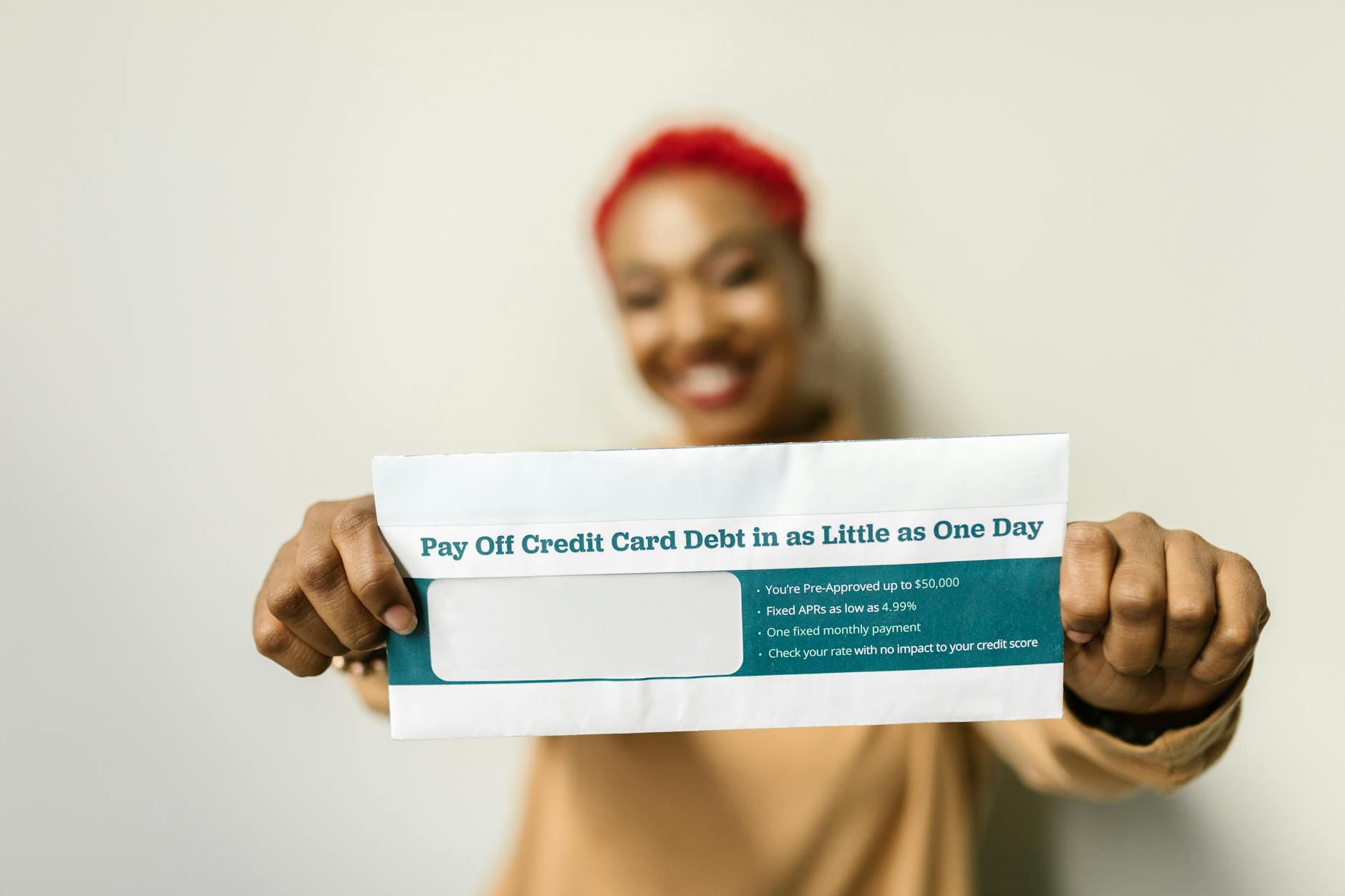
Photo by RDNE Stock project on Pexels
1. The Math Behind the Minimum Payment
Credit card issuers typically set the minimum payment at 1% to 3% of the outstanding balance plus any accrued interest and fees. On a $5,000 balance with a 20% APR, the first month’s minimum might look like this:
- Balance: $5,000
- Monthly interest (20% ÷ 12): $83.33
- Minimum payment (2% of balance): $100
- Total minimum due: $183.33
Paying $183.33 reduces the principal by only $100, while $83.33 goes to interest. The balance after one month is $4,900 – barely a dent.
2. How Interest Compounds Over Time
Because interest compounds daily, the longer you linger on a balance, the more you pay. Let’s compare two scenarios over 24 months:
| Scenario | Monthly Payment | Total Paid | Interest Paid |
|---|---|---|---|
| Minimum payment only (average $150) | $150 | $3,600 | $2,600 |
| Pay $500 each month | $500 | $12,000 | $2,000 |
Even though the second scenario costs more in cash flow, you save $600 in interest and clear the debt two years earlier.
3. Real‑World Consequences: Credit Score & Financial Flexibility
Credit utilization – the ratio of your balances to credit limits – is a major factor in credit scoring models. Carrying a high balance because you only make the minimum can push utilization above the recommended 30% threshold, lowering your score.
Example: A $10,000 limit with a $5,000 balance (50% utilization). If you raise the payment to $600/month, you could drop the balance to $2,000 in six months, bringing utilization to 20% and potentially boosting your score by 20‑40 points.
Lower scores mean higher interest rates on future loans, higher insurance premiums, and even difficulty renting an apartment.
4. Actionable Steps to Escape the Minimum‑Payment Trap
- Know Your Numbers: Write down each credit‑card balance, APR, and minimum payment. Use a spreadsheet or a budgeting app.
- Prioritize High‑Interest Debt: Allocate extra cash to the card with the highest APR while maintaining minimums on the others (the “avalanche” method).
- Set a Target Pay‑off Date: Divide the total balance by the number of months you want to be debt‑free, then add a buffer for interest.
- Automate Payments: Schedule automatic transfers for at least the minimum plus an extra amount. Treat the extra as a non‑negotiable bill.
- Trim Non‑Essentials: Cut discretionary spending (e.g., dining out, subscription services) and redirect those funds to debt repayment.
- Consider a Balance Transfer: If you qualify for a 0% APR introductory offer, move the balance to a new card and pay it off before the promo ends.
- Monitor Progress Monthly: Review statements, track how the balance shrinks, and celebrate milestones to stay motivated.
Following these steps can turn a seemingly endless minimum‑payment cycle into a clear, manageable plan.
FAQ
Q1: Will paying a little more than the minimum really make a difference?
Yes. Even an extra $50 per month can shave years off a debt. For a $4,000 balance at 18% APR, paying $100/month (the minimum) would take about 7 years and cost $2,000 in interest. Paying $150/month reduces the term to 4 years and cuts interest to $1,200 – a $800 savings.
Q2: Is a balance‑transfer card always the best solution?
Not always. Balance transfers can be powerful, but they come with transfer fees (usually 3‑5% of the amount) and a limited 0% period (often 12‑18 months). Calculate whether the fee plus any higher post‑promo rate is cheaper than staying with your current card and paying extra each month.
Q3: How can I avoid falling back into the minimum‑payment habit?
Build a small emergency fund (at least $1,000) so you’re not forced to rely on credit for unexpected expenses. Keep a monthly “debt‑payment” budget line item, and treat it like rent – non‑negotiable. Finally, regularly check your credit‑utilization ratio; staying below 30% is a visual cue that you’re on the right track.
Found this helpful? Share it with someone who needs it! 💰