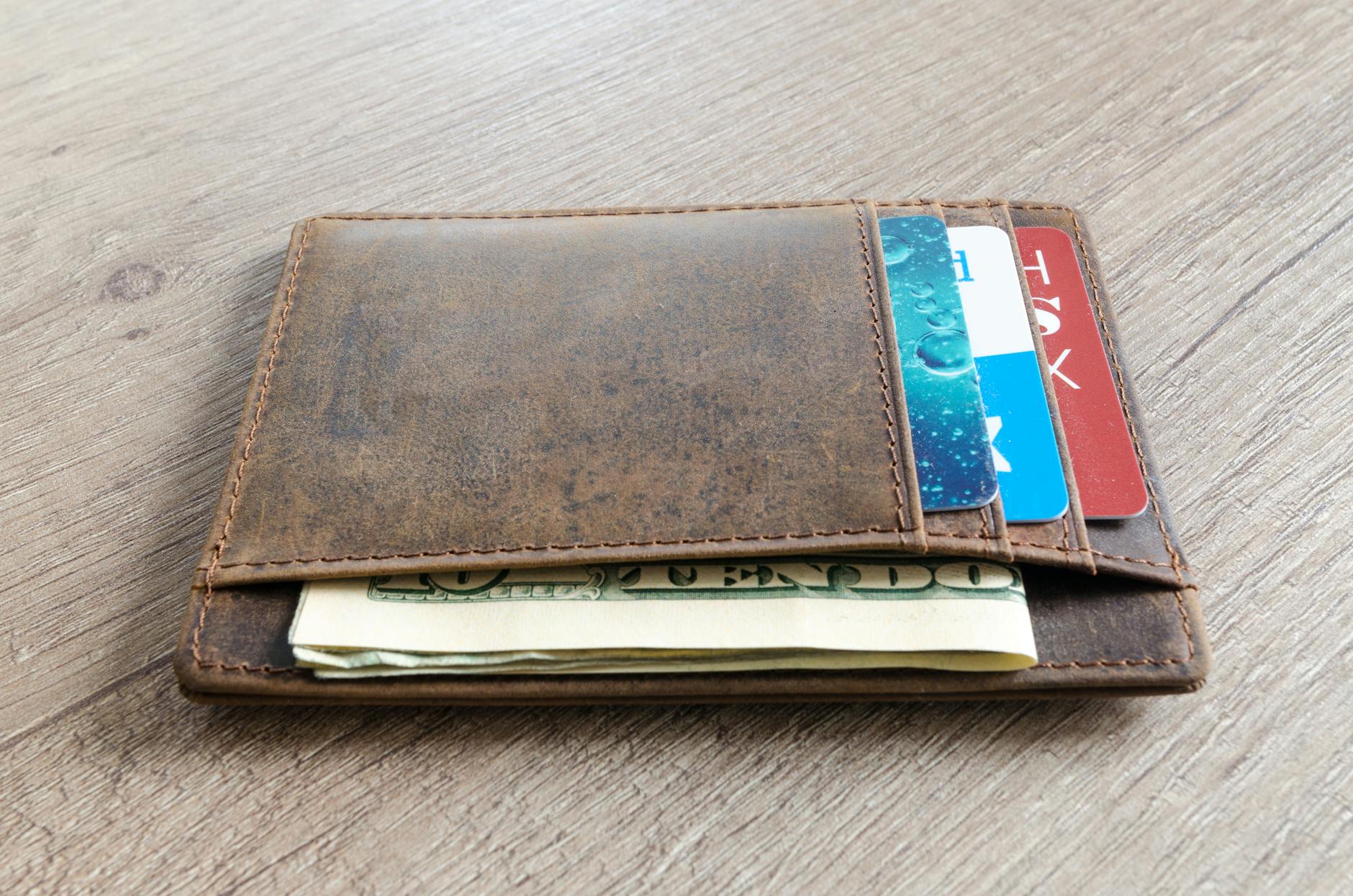
Photo by Lukas Blazek on Pexels
Most consumers assume that as long as they make the monthly minimum payment on a credit card, they’re staying on the right side of their debt. In reality, that habit is a financial landmine that can keep you in a cycle of growing balances, mounting interest, and missed opportunities to save. Below we break down the math, show real‑world examples, and give you actionable steps to break free.
The Math Behind the Minimum Payment
Credit‑card issuers typically set the minimum payment at about 2% to 3% of the outstanding balance, or a flat fee plus interest, whichever is higher. Suppose you carry a $5,000 balance at an APR of 19.99% and the issuer requires a 2.5% minimum payment.
- Minimum payment for month 1: $5,000 × 0.025 = $125
- Monthly interest: $5,000 × (19.99% ÷ 12) ≈ $83.30
- Principal reduction: $125 – $83.30 ≈ $41.70
After the first month you’ve paid down only $41.70 of the original $5,000. At that rate, it would take more than 20 years to clear the debt, and you would pay roughly $9,800 in interest—almost double the amount you borrowed.
How Compounding Interest Eats Your Money
Interest compounds monthly, meaning each month you’re charged interest on the new balance, which still includes the previous month’s interest. Using the same $5,000 balance, let’s see the impact after just six months of minimum‑only payments:
| Month | Balance Start | Interest | Payment | Balance End |
|---|---|---|---|---|
| 1 | $5,000.00 | $83.30 | $125.00 | $4,958.30 |
| 2 | $4,958.30 | $82.45 | $124.46 | $4,916.29 |
| 3 | $4,916.29 | $81.60 | $123.91 | $4,873.98 |
| 4 | $4,873.98 | $80.75 | $123.35 | $4,831.38 |
| 5 | $4,831.38 | $79.90 | $122.79 | $4,788.49 |
| 6 | $4,788.49 | $79.04 | $122.22 | $4,745.31 |
Even after six months you’ve only shaved $254.69 off the original balance, while paying $473.86 in interest. The longer you stay in the minimum‑payment lane, the more each dollar you pay goes toward interest rather than principal.
Real‑World Consequences Beyond the Numbers
1. Credit‑score damage. High utilization ratios (balance ÷ credit limit) signal risk to lenders. Carrying a $5,000 balance on a $7,000 limit pushes utilization to 71%, which can lower your score by 30‑50 points.
2. Missed financial goals. Money tied up in interest could be invested, saved for emergencies, or used to pay down higher‑interest loans such as student debt.
3. Psychological stress. Watching a balance barely move despite regular payments creates anxiety and can lead to further overspending as a coping mechanism.
Actionable Steps to Escape the Minimum‑Payment Trap
- Calculate the true cost. Use an online credit‑card payoff calculator. Input your balance, APR, and a payment amount higher than the minimum to see how many months and how much interest you’ll save.
- Set a realistic “pay‑more” target. Aim for at least 5% of the balance each month, or a fixed dollar amount that would clear the debt in under three years. For the $5,000 example, $250 per month would eliminate the debt in about 24 months and cut interest paid by roughly $4,000.
- Automate higher payments. Schedule a recurring payment that’s larger than the minimum. Treat it like any other bill—missing it hurts more than the interest.
- Prioritize high‑APR cards. If you have multiple cards, focus extra cash on the one with the highest rate while maintaining minimum payments on the others (the “avalanche” method).
- Consider a balance‑transfer. A 0% introductory APR for 12‑18 months can give you breathing room. Just watch for transfer fees (typically 3% of the amount) and ensure you can pay off the balance before the rate resets.
- Trim discretionary spending. Review your budget and reallocate funds—cooking at home, canceling unused subscriptions, or negotiating bills can free up $50‑$200 each month for debt repayment.
By consistently applying these steps, you replace the “minimum trap” with a clear path to financial freedom.
FAQ
1. Will paying a little more than the minimum make a big difference?
Yes. Even a modest increase of $25–$50 per month dramatically shortens the payoff timeline and reduces total interest. For a $3,000 balance at 18% APR, raising the payment from $75 (minimum) to $100 cuts the payoff period from 9 years to about 5 years and saves roughly $1,200 in interest.
2. Is a balance‑transfer always the best solution?
A balance‑transfer can be powerful if you qualify for a 0% introductory rate and can pay off the transferred amount before the promotional period ends. However, watch out for transfer fees, the revert APR, and the temptation to rack up new purchases on the old card, which can undo the benefits.
3. How can I avoid falling back into the minimum‑payment habit?
Build a small emergency fund (at least $1,000) so you’re not forced to rely on credit for unexpected expenses. Track your spending weekly, and set a “debt‑free” goal with a timeline. Celebrate milestones—each $500 paid off is a win that reinforces disciplined payment habits.
Paying only the minimum may seem harmless, but the math tells a different story. By understanding the cost, planning a higher payment strategy, and using tools like balance transfers wisely, you can break free from the trap and keep more of your hard‑earned money working for you.
Found this helpful? Share it with someone who needs it! 💰