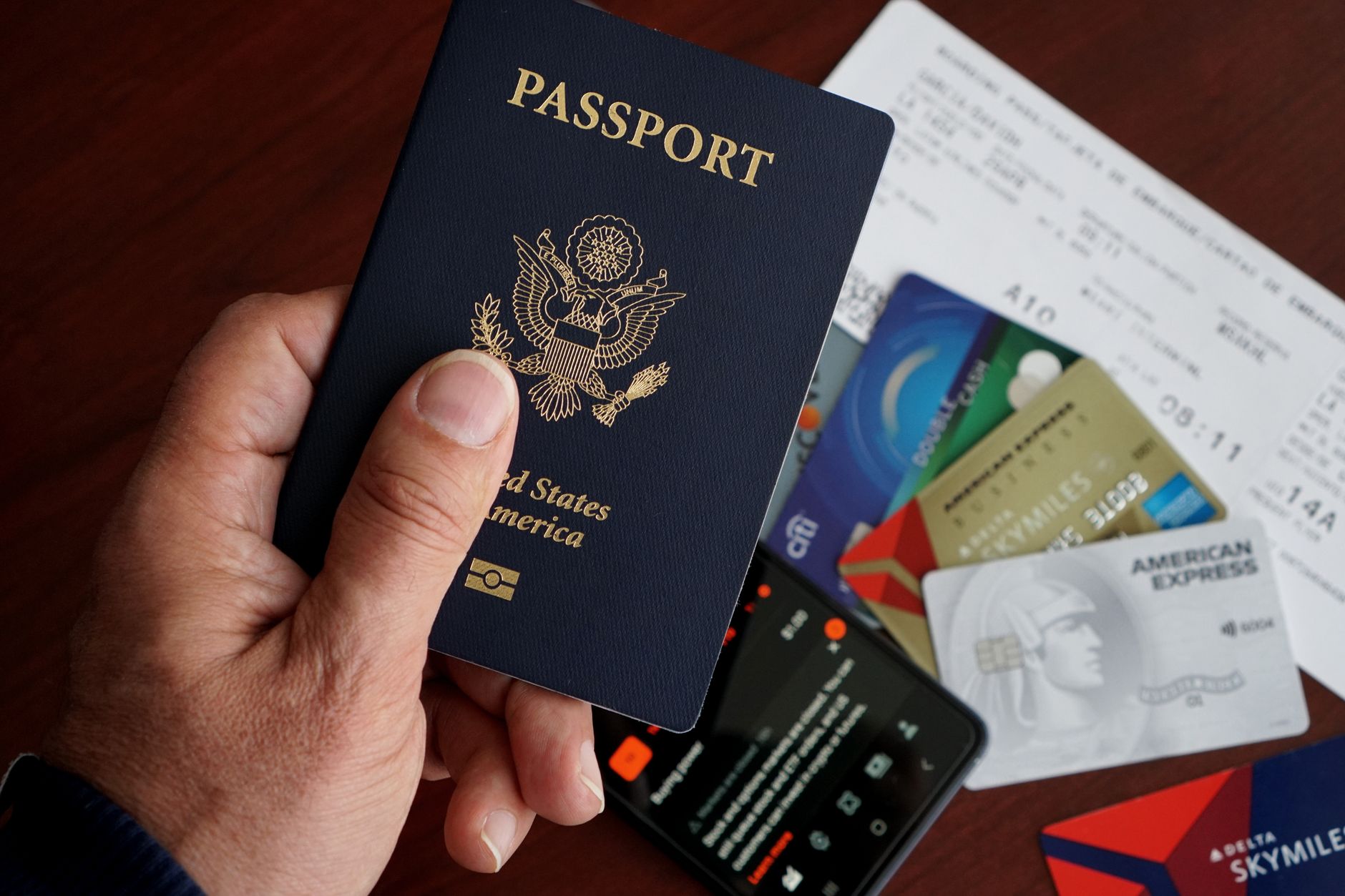
Photo by DΛVΞ GΛRCIΛ on Pexels
When a credit‑card bill lands in your inbox, the temptation to click "Pay Minimum" can feel like a relief. After all, the amount is small, and it keeps your account current. But that tiny payment is a financial landmine that can keep you in debt for years, costing you hundreds or even thousands of dollars in interest. Below we break down the math, illustrate real‑world scenarios, and give you a clear plan to avoid the trap.
1. How Minimum Payments Are Calculated (And Why They’re Low)
Most issuers set the minimum payment at either a percentage of the balance (usually 1‑3%) or a flat dollar amount, whichever is higher. For example, a card with a 18% APR and a $5,000 balance might require a minimum of 2% of the balance or $25, whichever is larger. In this case:
- 2% of $5,000 = $100
- Minimum payment = $100 (since it exceeds $25)
The calculation is designed to keep you in the revolving credit cycle. Because the payment barely covers the interest, the principal shrinks very slowly, extending the life of the debt.
2. The Real Cost of Paying Only the Minimum
Let’s run a concrete example. Assume a $5,000 balance, 18% APR, and a $100 minimum payment that increases slightly each month as the balance declines.
| Month | Balance Start | Interest Charged | Minimum Payment | Balance End |
|---|---|---|---|---|
| 1 | $5,000.00 | $75.00 | $100.00 | $4,975.00 |
| 2 | $4,975.00 | $74.63 | $99.50 | $4,950.13 |
| 3 | $4,950.13 | $74.25 | $99.00 | $4,925.38 |
| … | … | … | … | … |
| 36 | $4,200.00 | $63.00 | $84.00 | $4,179.00 |
After three years of only paying the minimum, you will have paid roughly $3,600 in total, but the balance will still sit around $4,200. The debt will take over 12 years to disappear, and you’ll pay more than $9,000 in interest.
Now compare that to paying $200 each month (double the minimum):
- Balance after 12 months: $2,850
- Total interest paid in 12 months: $215
- Debt eliminated in ~3.5 years, total interest ~ $1,200
Doubling the payment slashes the payoff time by more than 70% and reduces interest by nearly 87%.
3. Psychological Pitfalls That Keep You Stuck
Beyond the numbers, several cognitive biases make the minimum‑payment trap especially sticky:
- Present bias: The immediate relief of a low payment outweighs the distant pain of future interest.
- Anchoring: Seeing a $25 minimum on a $500 balance makes you think "it’s cheap," even though the APR is the same.
- Availability heuristic: You recall a friend who paid only the minimum and never felt a pinch, leading you to underestimate the risk.
Recognizing these mental shortcuts helps you make a more rational choice.
4. Actionable Steps to Break Free from the Minimum‑Payment Cycle
Here’s a practical, step‑by‑step plan you can start today:
- Calculate the true cost. Use an online credit‑card payoff calculator. Input your balance, APR, and proposed payment to see the payoff timeline and total interest.
- Set a payment target. Aim to pay at least 3‑5% of the balance each month, or a fixed amount that’s 10% higher than the minimum. For a $5,000 balance, target $250‑$300.
- Automate a higher payment. In your online banking, schedule a recurring payment that’s larger than the minimum. Treat it as a non‑negotiable bill.
- Prioritize high‑interest cards. If you have multiple cards, focus extra cash on the one with the highest APR while maintaining minimums on the others (the "debt avalanche" method).
- Trim expenses. Review your monthly budget for discretionary spend (subscriptions, dining out). Redirect any surplus directly to your credit‑card payment.
- Consider a balance‑transfer. If you qualify for a 0% introductory rate, transfer the balance and commit to paying off the amount before the promo ends.
Implementing even two of these steps can shave years off your debt horizon.
FAQ
- Q1: How exactly do credit‑card issuers calculate the minimum payment?
- A: Most issuers use the greater of a flat dollar amount (often $25) or a percentage of the outstanding balance, typically 1‑3%. Some also add any past‑due amounts, fees, or interest accrued during the billing cycle. The formula ensures the payment covers at least a portion of the interest, but often not enough to reduce principal significantly.
- Q2: Can I avoid paying interest if I only make the minimum payment?
- A: No. Interest accrues on the entire balance each day. Paying only the minimum usually covers just the interest and a tiny slice of principal, so the remaining balance continues to generate interest. To avoid interest entirely, you must pay the full statement balance by the due date each month.
- Q3: What if I can only afford the minimum for a few months?
- A: Short‑term reliance on the minimum isn’t catastrophic, but it will add interest. During that period, try to:
-
- Cut non‑essential spending to free up extra cash.
- Use any windfalls (tax refunds, bonuses) to make a lump‑sum payment.
- Contact your issuer to discuss a temporary hardship program that may lower the APR.
- Once your cash flow improves, increase the payment above the minimum to catch up on the interest that accumulated.
Paying only the minimum may seem harmless, but the math and psychology combine to keep you in debt far longer than necessary. By understanding the true cost, setting higher payment goals, and automating the process, you can escape the trap and keep more of your hard‑earned money where it belongs—in your pocket.
Found this helpful? Share it with someone who needs it! 💰