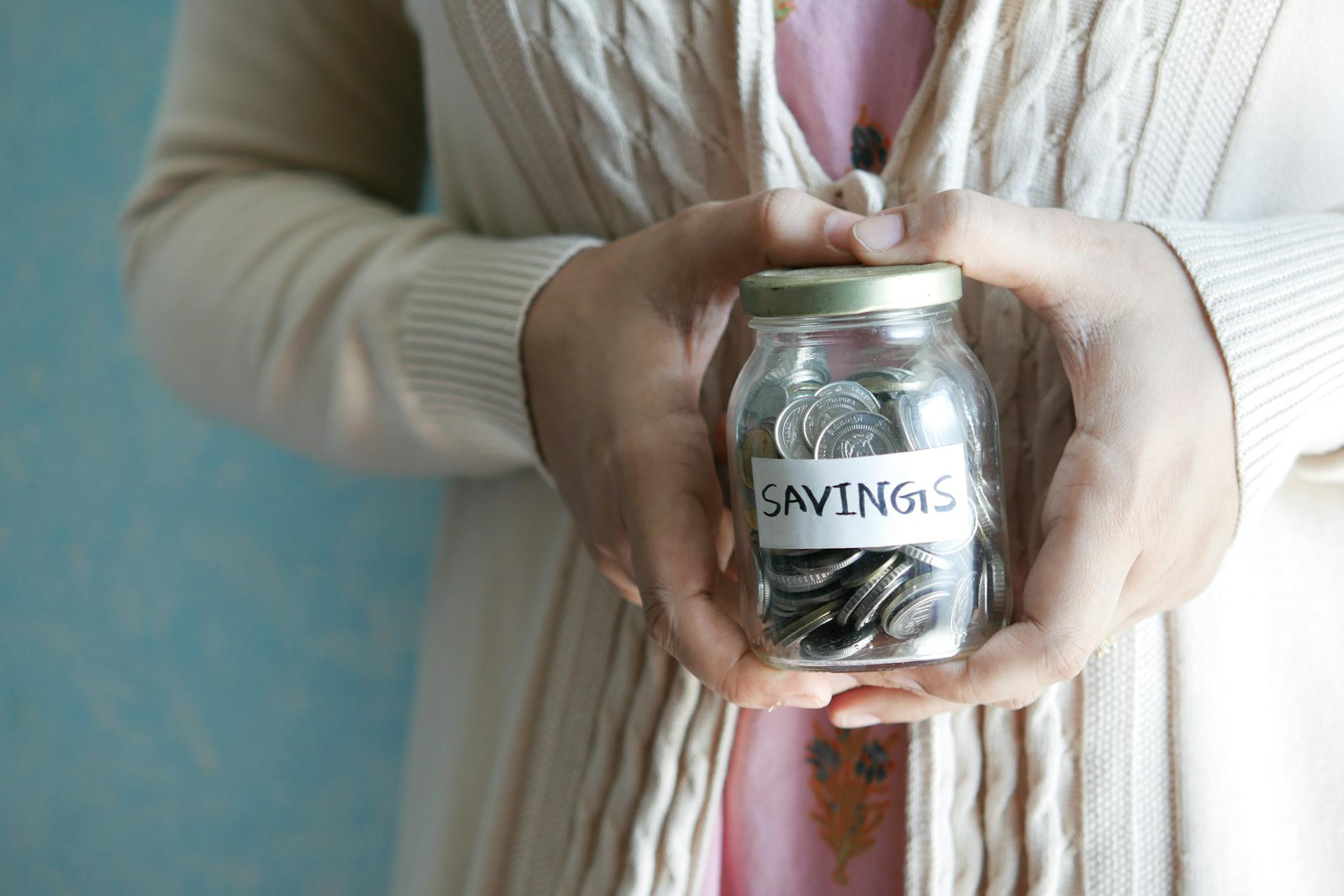
Photo by Towfiqu barbhuiya on Pexels
Picture this: you’ve just received an unexpected car repair bill that’s larger than your monthly rent, and your checking account is staring back at you empty. Moments like this are why it’s essential to build an emergency fund before life throws a curveball. The good news? You don’t need a high‑income job or a magic formula—just a clear plan, disciplined habits, and a bit of patience.
1. Set a Realistic Goal
The first step is to decide how much you actually need. Most financial experts recommend saving three to six months’ worth of essential expenses. Here’s how to calculate it:
- Identify core costs: rent/mortgage, utilities, groceries, transportation, insurance, and minimum debt payments.
- Monthly total: add those numbers together. For example, if your essentials total $2,500 per month, a three‑month buffer equals $7,500.
- Choose a target: if you’re just starting out, aim for one month’s worth ($2,500). Once you hit that, double it.
Write the target down and keep it visible—on your fridge, a phone wallpaper, or a budgeting app. Seeing the number daily reinforces the commitment.
2. Trim Expenses and Boost Income
Saving enough to meet your goal often requires both cutting costs and finding extra cash. Start with a quick expense audit:
Audit Your Spending
Pull your last three months of bank statements and categorize every transaction. Look for recurring items you can downgrade or eliminate:
- Streaming services: cancel one or switch to a cheaper plan.
- Dining out: set a weekly limit (e.g., $20) and cook at home.
- Subscription boxes: pause for three months.
Side‑Hustle Ideas
If you can free up $200 a month by cutting expenses, you’ll reach a $2,500 target in just over a year. But adding a side gig can accelerate the timeline dramatically. Consider these low‑entry options:
- Freelance writing or graphic design on platforms like Upwork.
- Rideshare driving during evenings.
- Selling gently used items on eBay or Facebook Marketplace.
Even a modest $100 extra per month cuts a three‑month goal from 15 months to 10 months.
3. Automate Your Savings
Automation removes the temptation to spend money you intended to save. Set up a dedicated emergency‑fund account—preferably a high‑yield savings account with no monthly fees. Then:
- Schedule an automatic transfer on payday (e.g., $150 on the 1st of each month).
- Round‑up purchases using a banking app that saves the change.
- Use “pay yourself first” rules: treat the transfer as a non‑negotiable bill.
Because the money moves before you see it, you’ll be less likely to miss it. Over a year, $150 per month compounds to roughly $1,800, plus interest.
4. Stay on Track and Adjust
Life changes—raises, new expenses, or unexpected windfalls. Review your emergency fund quarterly:
- Progress check: compare current balance to your target.
- Re‑budget: if you received a raise, increase the automatic transfer.
- Re‑evaluate goals: if your cost of living rises, adjust the target amount.
Celebrate milestones (e.g., hitting the first $1,000) to keep motivation high. And remember, the fund is for true emergencies—don’t dip into it for vacations or non‑essential purchases.
Frequently Asked Questions
- How long does it really take to build an emergency fund? The timeline depends on your goal amount and monthly contribution. Saving $150 a month will fund a three‑month buffer of $2,500 in about 17 months. Increase contributions or reduce expenses to shorten the period.
- Where should I keep my emergency fund? A high‑yield online savings account offers easy access and better interest than a traditional checking account. Avoid investment accounts where market volatility could jeopardize immediate availability.
- What qualifies as an emergency? Typical emergencies include job loss, medical expenses not covered by insurance, urgent home repairs, or car breakdowns that prevent you from getting to work. Non‑essential purchases, even if urgent‑feeling, should stay out of the fund.
Found this helpful? Share it with someone who needs it! 💰