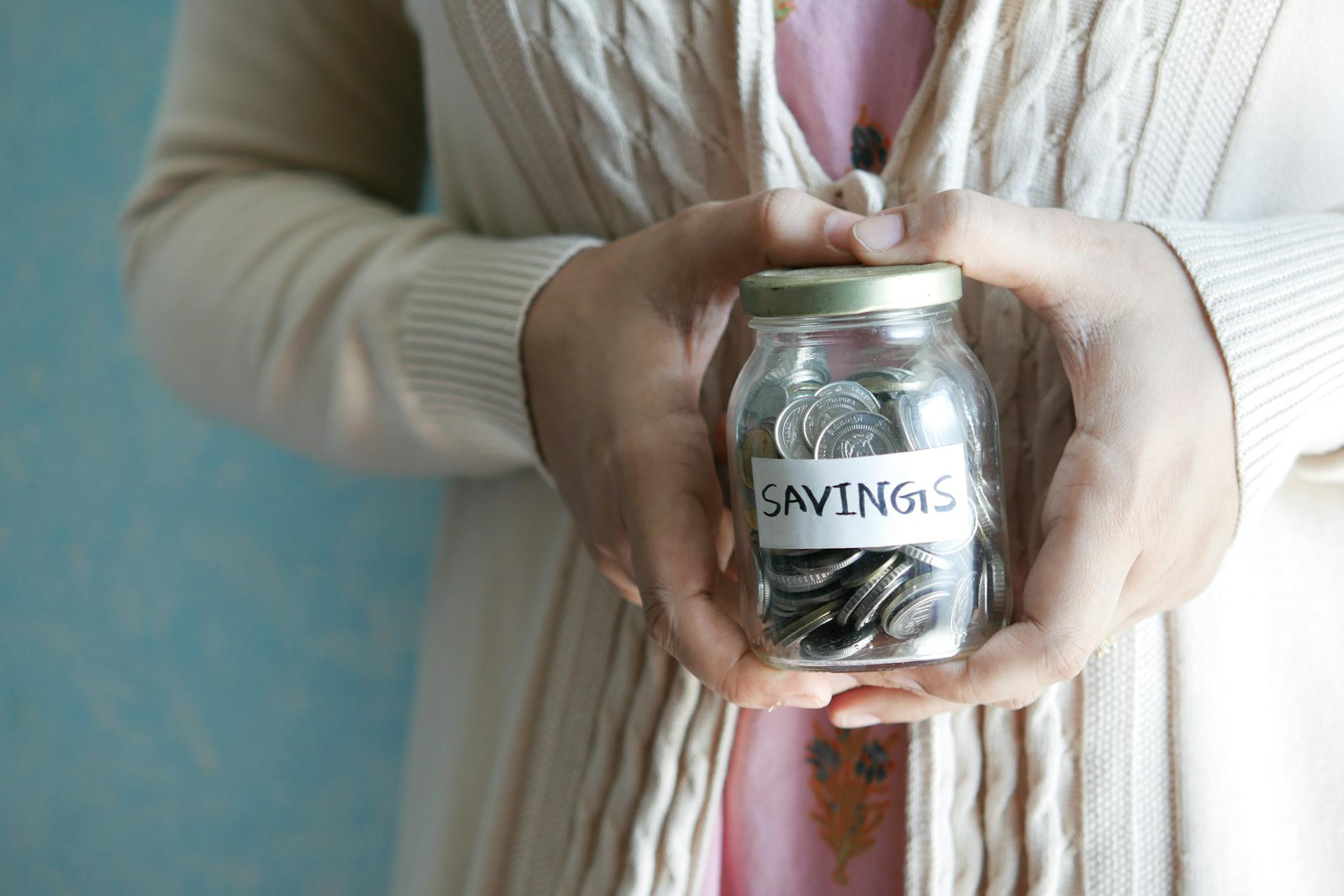
Photo by Towfiqu barbhuiya on Pexels
Imagine you’ve just received an unexpected car repair bill that’s twice the amount of your monthly rent. Your heart races, you scramble for cash, and the stress is overwhelming. Situations like this are why it’s essential to build an emergency fund before a crisis hits. A well‑stocked safety net can keep you afloat without resorting to high‑interest credit cards or loans. Below is a step‑by‑step roadmap that turns a blank slate into a reliable financial cushion.
1. Assess Your Current Finances
Track Every Dollar for a Month
The first step is to know exactly where your money goes. Use a budgeting app, spreadsheet, or a simple notebook to record every expense for 30 days. Categorize spending into essentials (rent, utilities, groceries) and non‑essentials (streaming services, dining out).
- Identify leaks: Small, recurring costs can add up to hundreds of dollars.
- Calculate disposable income: Subtract total expenses from net income.
- Set a baseline: This figure tells you how much you can realistically divert to savings each month.
For example, Jane discovered she was spending $45 a month on a coffee subscription she never used. Cutting that expense freed up $540 a year—enough to kick‑start her emergency fund.
2. Set a Realistic Savings Target
Decide on the Size of Your Safety Net
Financial experts typically recommend three to six months of living expenses. If your monthly essential costs total $2,500, aim for a $7,500 to $15,000 fund. However, your target should match your risk tolerance and job stability.
- Start small: If six months feels daunting, begin with one month’s expenses.
- Use a timeline: Plan to reach the first $1,000 within three months, then add $500 each subsequent month.
- Adjust as life changes: A new child or a job change may require a larger buffer.
Real‑world example: Carlos, a freelance graphic designer, set a goal of three months’ expenses ($4,800). He broke it down to $400 per month, which he could comfortably afford after cutting back on discretionary travel.
3. Choose the Right Savings Vehicle
Find a Safe, Accessible Account
Your emergency fund should be liquid—easy to access without penalties. Here are three common options:
- High‑Yield Savings Account (HYSA): Offers higher interest than traditional accounts while keeping funds FDIC‑insured.
- Money Market Account: Similar to HYSA but may provide limited check‑writing capabilities.
- Cash‑Value Life Insurance (rarely recommended): Only consider if you already have a policy and need a secondary buffer.
Compare APY rates, minimum balance requirements, and fee structures. For instance, an online bank offering 4.35% APY with no minimum balance can grow a $5,000 fund by over $200 in a year, outpacing a traditional 0.01% account.
4. Automate and Accelerate Your Savings
Make Saving a Habit, Not a Decision
Automation removes the temptation to spend what you intended to save. Set up an automatic transfer the day after payday.
- Round‑up apps: Services like Acorns or Digit round each purchase to the nearest dollar and deposit the difference.
- Windfall strategy: Deposit bonuses, tax refunds, or side‑gig earnings directly into the emergency fund.
- Increase contributions gradually: When you receive a raise, boost your monthly transfer by at least 50% of the increase.
Case study: Maya received a $2,000 year‑end bonus. Instead of splurging, she allocated $1,200 to her emergency fund and $800 to a vacation savings jar, keeping both goals on track.
Frequently Asked Questions
- How much should I keep in an emergency fund? Aim for 3–6 months of essential expenses. Adjust based on job stability and personal comfort.
- Can I keep my emergency fund in a checking account? While possible, a high‑yield savings or money market account typically offers better interest while still providing quick access.
- What if I need to use the fund for a non‑emergency? Treat any withdrawal as a temporary setback. Replenish the amount as soon as possible to restore your safety net.
Found this helpful? Share it with someone who needs it! 💰