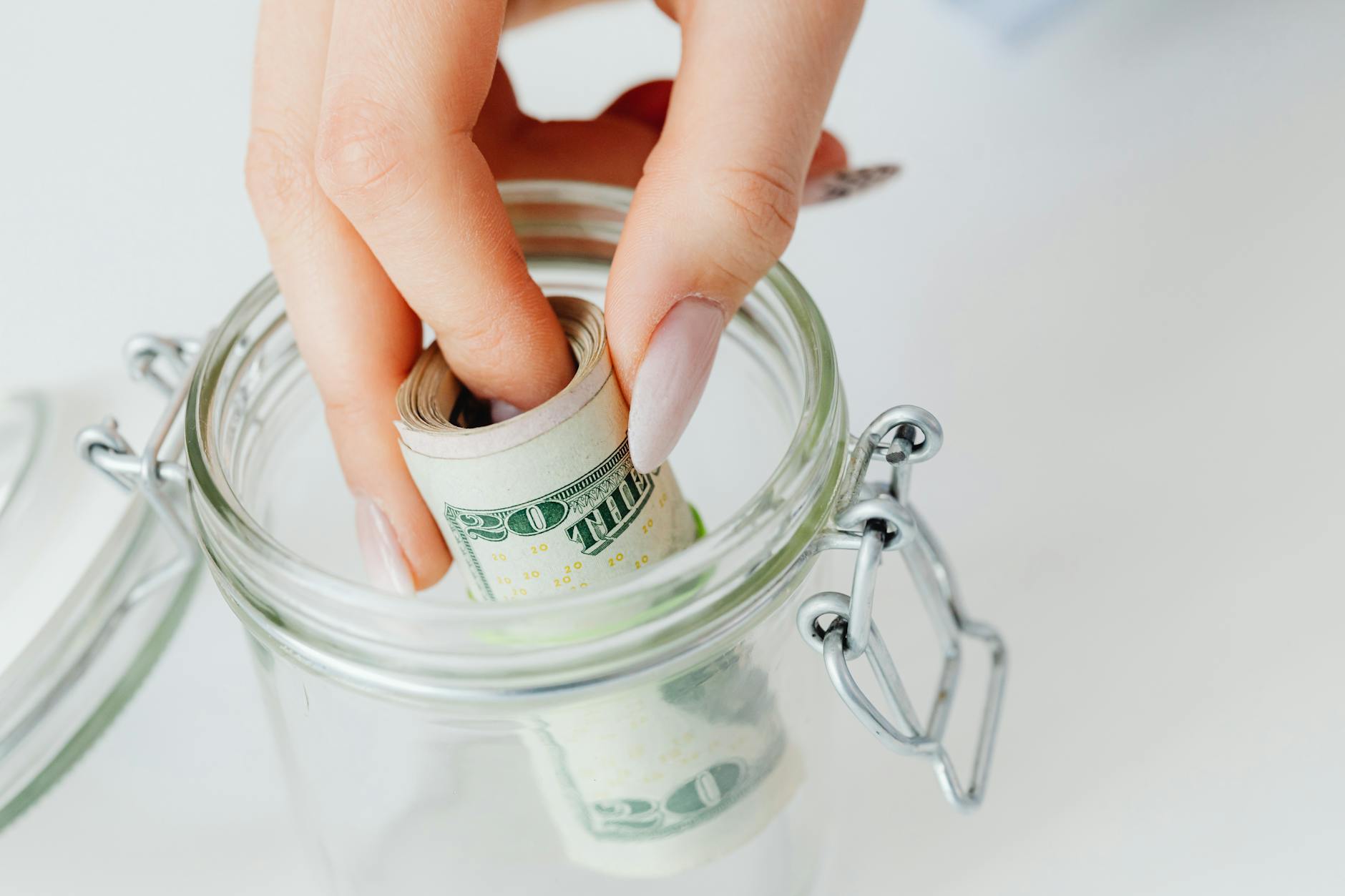
Photo by www.kaboompics.com on Pexels
How to build an emergency fund is a question that pops up every time an unexpected car repair, medical bill, or sudden job loss hits your wallet. Imagine you’re at the grocery store, you reach for your wallet, and the total is higher than expected—your heart races, and you wonder, ‘Do I have enough saved for a rainy day?’ This relatable moment is the perfect springboard for a solid, step‑by‑step plan that anyone can follow.
Set a Realistic Savings Goal
Before you start moving money, decide exactly how much you need. Most financial experts recommend three to six months’ worth of essential expenses. If your monthly bills (rent, utilities, groceries, transportation) total $2,500, aim for $7,500–$15,000.
Break It Down Into Monthly Targets
- Calculate your baseline: List every recurring cost for a month.
- Choose a comfort zone: If you’re just starting out, three months is a realistic first milestone.
- Set a deadline: A 12‑month timeline works for most people; adjust based on income.
Real‑world example: Sarah earns $3,800 after tax and has $2,200 in essential expenses. She decides on a three‑month goal of $6,600. To hit that in 12 months, she needs to save $550 each month.
Pick the Right Savings Vehicle
The place you keep your emergency cash matters. You need easy access, safety, and at least a modest return.
High‑Yield Savings Accounts (HYSA)
- Interest rates often 3–4% APY, far above traditional checking accounts.
- No monthly fees and FDIC‑insured up to $250,000.
- Online banks like Ally, Marcus, or Discover make transfers quick.
Money‑Market Accounts
- Similar to HYSA but may offer limited check writing.
- Good if you occasionally need to pull a larger sum quickly.
Tip: Avoid tying your emergency fund to stocks, bonds, or retirement accounts. Market volatility can lock you out when you need cash the most.
Automate and Accelerate Contributions
Automation removes the guesswork and ensures consistency.
Set Up Direct Deposit Splits
- Ask your employer to send a portion of each paycheck straight to your HYSA.
- Even a $50 split can add up to $600 a year without you lifting a finger.
Use Recurring Transfers
- Log into your bank’s app and schedule a monthly transfer on payday.
- Start low—$100 a month—and increase as you trim other expenses.
Round‑Up Apps
- Apps like Acorns or Digit round each purchase to the nearest dollar and stash the difference.
- It’s a painless way to add “spare change” to your fund.
Real‑world example: After reviewing his budget, Mike discovers he can cut $30 on streaming services and $20 on coffee. He sets up a $50 automatic transfer and lets his round‑up app add another $15 each month, reaching $65 monthly – a 30% boost over his original plan.
Boost Your Fund with Side Income and Strategic Cuts
When you need to accelerate, look for extra cash streams and deeper savings.
Turn Hobbies Into Hustles
- Freelance writing, tutoring, or selling handmade goods on Etsy can generate $200–$500 per month.
- Dedicate 5–10 hours a week; treat earnings as a direct injection into the emergency fund.
Seasonal or Gig Work
- Ride‑share driving, food delivery, or short‑term rentals during holidays can provide a quick cash boost.
- Allocate 100% of gig earnings to your fund for the first three months.
Deep‑Cut Expenses
- Swap a $100 gym membership for home workouts.
- Negotiate utility bills or switch to cheaper phone plans.
- Every $50 saved is an extra $50 for your emergency stash.
Case study: Lina earns $4,200 after tax. She starts a weekend photography side gig that brings in $300 monthly. By moving her gym membership to a free app and cooking at home, she saves another $150. She funnels the full $450 into her emergency fund, hitting her three‑month target in just eight months instead of twelve.
Frequently Asked Questions
- How much should I keep in an emergency fund? Aim for three to six months of essential expenses; adjust based on job stability and personal comfort.
- Can I keep my emergency fund in a checking account? It’s possible, but a high‑yield savings or money‑market account offers better interest while keeping funds liquid.
- What if I reach my goal early? Celebrate, then consider expanding the fund to cover six months or start a separate “future expenses” savings bucket.
Found this helpful? Share it with someone who needs it! 💰