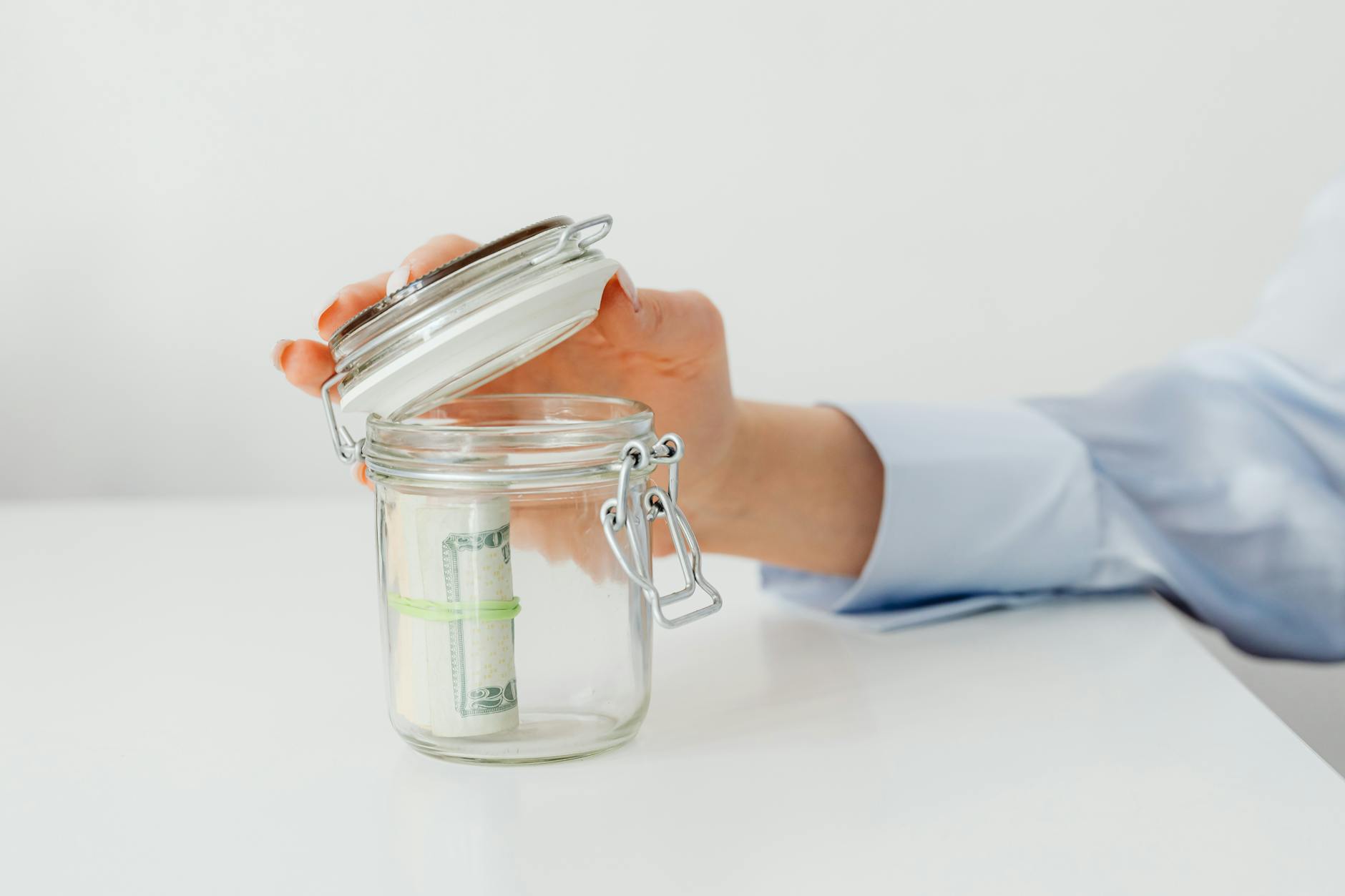
Photo by www.kaboompics.com on Pexels
Building an emergency fund can feel overwhelming, especially when your paycheck barely covers rent, utilities, and groceries. You’ve probably heard the advice—save three to six months of expenses—but you’re not sure where to start. This guide breaks the process down into bite‑size actions you can take today, no matter how tight your budget is.
1. Assess Your Starting Point
Before you can build an emergency fund, you need to know exactly where you stand financially. Follow these three steps:
Track Every Dollar for 30 Days
- Use a free app like Mint, YNAB, or a simple spreadsheet.
- Record every expense, no matter how small.
- At the end of the month, categorize spending (housing, food, transport, etc.).
Calculate Your Monthly Necessities
Identify the expenses you can’t eliminate: rent/mortgage, utilities, insurance, minimum debt payments, and groceries. Add them up; this is the baseline you’ll need to replace if income stops.
Set a Realistic Target
Instead of jumping straight to six months, aim for a starter goal of $1,000 or one month of essential costs—whichever is higher. This milestone is achievable within a few months and provides immediate peace of mind.
2. Pick the Right Savings Vehicle
The account you choose can affect how quickly your fund grows and how easily you can access it. Consider these options:
- High‑Yield Savings Account (HYSA): Offers 3‑4% APY, FDIC‑insured, and easy online access.
- Money Market Account: Slightly higher yields for larger balances, limited withdrawals (6 per month).
- Traditional Savings Account: Lower rates but often linked directly to your checking, making transfers frictionless.
Open the account online, link it to your primary checking, and keep the login credentials separate from your everyday banking app to reduce the temptation to dip in.
3. Automate and Accelerate Contributions
Automation removes the guesswork and makes saving a habit. Here’s how to set it up:
- Schedule a recurring transfer: Choose a day right after payday—e.g., the 2nd of each month.
- Start small, then increase: Begin with 5% of your net income. After three months, bump it to 7% or add an extra $25.
- Use “pay yourself first” tricks: Direct any windfalls (tax refunds, bonuses, cash‑back rewards) straight into the emergency fund.
Example: Jane earns $3,200 net per month. She starts by moving $100 (≈3%) into her HYSA on the 5th. After three months, she receives a $200 tax refund and deposits the entire amount, hitting $500 in her fund in just 4 months.
4. Stay on Track and Adjust
Saving isn’t a set‑and‑forget process. Review your progress quarterly and make tweaks as life changes.
Monthly Check‑Ins
- Log into your savings account and note the balance.
- Compare against your target timeline.
- Celebrate milestones (e.g., every $250 saved).
Re‑evaluate Expenses
If you get a raise, allocate at least half of the increase to your emergency fund until you hit the six‑month goal. Conversely, if you face a temporary dip in income, pause discretionary spending first, not your emergency contributions.
Protect the Fund
Only dip into the emergency fund for true emergencies—job loss, unexpected medical bills, or urgent home repairs. Keep a separate “fun” savings account for non‑essential purchases to avoid accidental withdrawals.
Frequently Asked Questions
Q1: How much should I keep in my emergency fund?
A: Aim for three to six months of essential expenses. If that feels too lofty, start with $1,000 or one month’s worth, then build upward.
Q2: Can I keep my emergency fund in a checking account?
A: Technically yes, but a high‑yield savings or money market account earns interest and still offers quick access, making it a better choice.
Q3: What qualifies as an “emergency”?
A: Situations that threaten your financial stability—loss of income, major health costs, urgent home or car repairs—are appropriate uses. Avoid using the fund for vacations or non‑essential upgrades.
Found this helpful? Share it with someone who needs it! 💰