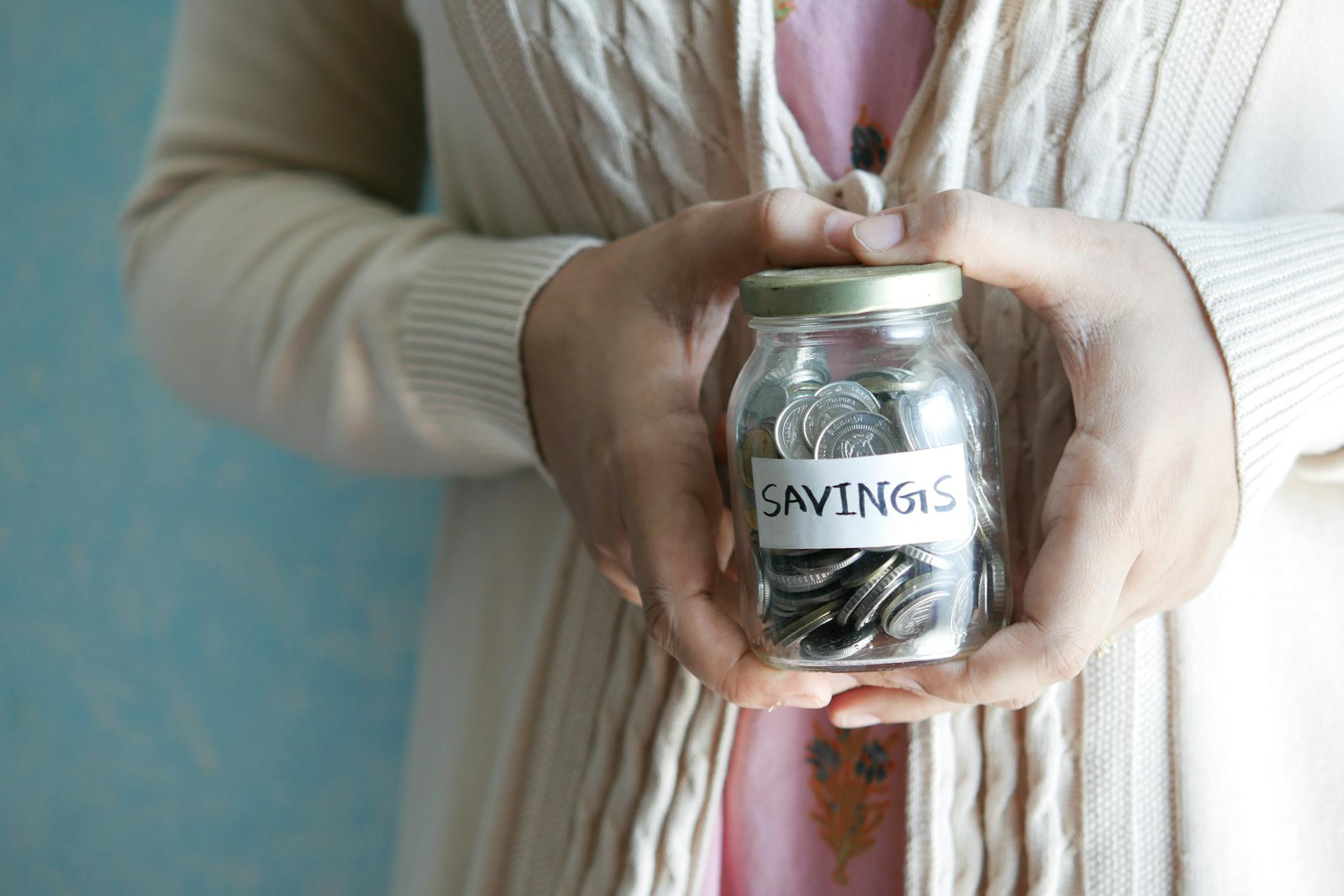
Photo by Towfiqu barbhuiya on Pexels
Imagine you’re scrolling through your bank app and see a $200 surprise expense—car repair, medical bill, or a sudden job loss. Moments like that are why it’s essential to build an emergency fund before the unexpected arrives.
Set a Realistic Target
Before you start saving, decide how much you need. Most experts recommend three to six months of essential expenses, but anyone can start smaller.
Calculate Your Baseline
- List monthly necessities: rent/mortgage, utilities, groceries, transportation, insurance.
- Add up the total. For example, if your essentials cost $2,500 per month, a three‑month buffer is $7,500.
Start Small, Grow Fast
If $7,500 feels daunting, begin with a $1,000 starter fund. It’s enough to cover minor emergencies and gives you momentum.
Trim Expenses and Reallocate Cash
Finding extra money often means tightening the budget where you can.
Identify Leaky Spending
- Track every purchase for 30 days using a free app or spreadsheet.
- Spot non‑essential items—daily coffee runs, streaming services you rarely use, impulse buys.
Make Immediate Cuts
- Swap a $4 coffee for homemade brew: save $120/year.
- Cancel one streaming service: save $10–$15/month.
- Set a weekly “fun money” limit and stick to cash envelopes.
Redirect the saved amount directly into your emergency fund.
Automate Savings and Use the Right Account
Automation removes the temptation to spend what you meant to save.
Choose a Separate, Accessible Account
- High‑yield savings accounts (online banks) offer 4%+ APY and keep funds liquid.
- Avoid checking accounts that mix daily spending with emergency cash.
Set Up Automatic Transfers
- Schedule a recurring transfer on payday—e.g., $150 on the 1st of each month.
- If you receive bi‑weekly pay, split the amount: $75 each paycheck.
Even $5‑$10 a day adds up: $5/day × 30 = $150/month, or $1,800 in a year.
Boost Your Fund with Side Income and Windfalls
Extra cash should go straight to the emergency fund, not into everyday spending.
Leverage Gig Work
- Take on a part‑time freelance project, ride‑share driving, or pet‑sitting for an additional $200–$500 a month.
- Deposit 100% of earnings into the fund until you hit your target.
Allocate Bonuses, Tax Refunds, and Gifts
- Commit to saving at least 50% of any unexpected cash inflow.
- For a $1,200 tax refund, put $600 straight into the emergency account.
Frequently Asked Questions
How long does it take to reach a three‑month emergency fund?
It depends on your income and savings rate. Saving $200 per month will take about 38 months for a $7,600 goal. Increase contributions or boost side income to shorten the timeline.
Should I keep my emergency fund in a money‑market fund?
Money‑market funds are low‑risk and usually offer higher yields than traditional savings accounts, but they may have limited withdrawals. A high‑yield online savings account provides easy access and FDIC insurance, making it a safer first choice.
Can I use a credit card to build my emergency fund?
Credit cards are not a substitute for cash savings. They can provide a short‑term buffer, but interest charges and credit utilization can hurt your score. Use a dedicated savings account for true emergencies.
Found this helpful? Share it with someone who needs it! 💰