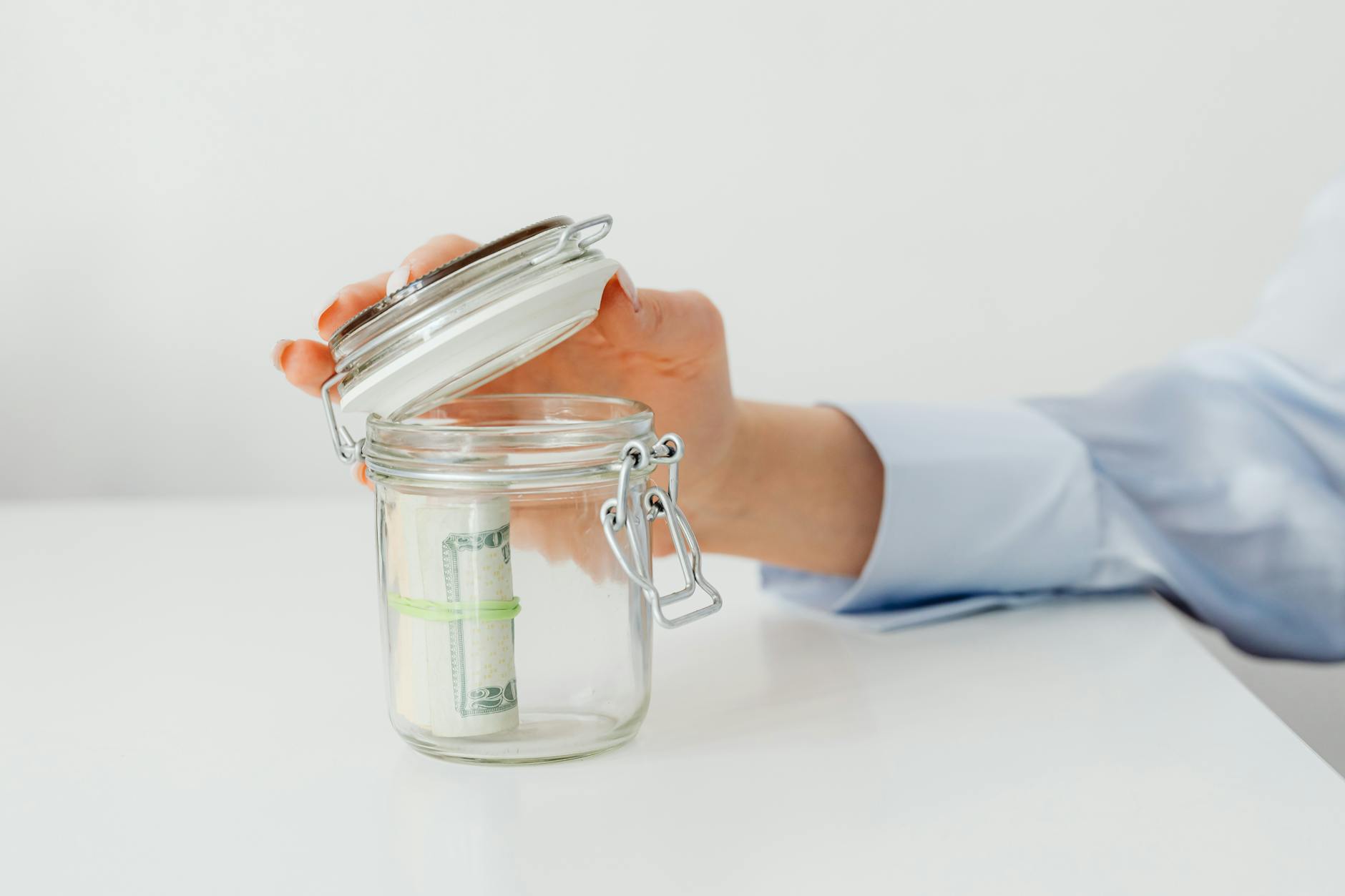
Photo by www.kaboompics.com on Pexels
When your car suddenly breaks down or an unexpected medical bill arrives, the stress of not having cash on hand can be overwhelming. That’s why learning how to build an emergency fund is one of the smartest financial moves you can make, no matter your income level.
1. Set a Realistic Target Amount
Most experts recommend saving three to six months' worth of essential expenses. Start by calculating your monthly basics: rent or mortgage, utilities, groceries, transportation, and minimum debt payments. For example, if those costs total $2,500 per month, a three‑month buffer would be $7,500.
Actionable tip: Write the number down and keep it visible on your fridge or phone wallpaper. Seeing the goal daily reinforces commitment.
- Step 1: List all mandatory monthly outflows.
- Step 2: Multiply by three (or six) to set your target.
- Step 3: Round up to the nearest $100 for simplicity.
2. Choose the Right Savings Vehicle
Not all accounts are created equal. A high‑yield savings account or a money‑market fund offers easy access and better interest than a traditional checking account. Avoid tying the fund to long‑term investments like stocks, which can fluctuate when you need the cash most.
Real example: Jane opened a high‑yield account with a 3.75% APY. By the time she reached her $9,000 goal, she earned an extra $135 in interest, effectively boosting her emergency cushion.
- Look for accounts with no monthly fees.
- Ensure the institution is FDIC‑insured.
- Check for online banking tools that automate transfers.
3. Automate Contributions and Trim Expenses
Automation removes the guesswork. Set up an automatic transfer on payday—ideally 5% of your net income—to your emergency fund. If your paycheck is $3,000 after tax, a $150 transfer will get you to $1,800 after twelve months.
Practical step: Review your bank statements for recurring subscriptions you rarely use (streaming services, gym memberships, etc.). Cancel or downgrade them, and redirect those dollars to the fund.
- Start small: even $20 a week adds up to $1,040 a year.
- Use a budgeting app to track progress in real time.
- Celebrate milestones (e.g., 25%, 50%) to stay motivated.
4. Boost Savings with Side‑Income and Windfalls
Unexpected cash doesn’t have to stay in your checking account. Allocate a portion of bonuses, tax refunds, or freelance earnings directly to your emergency fund.
Example: When Mark received a $1,200 tax refund, he deposited $800 into his fund and used the remaining $400 for a modest vacation—still staying within his overall budget.
- Set a rule: "If it’s extra income, at least 50% goes to savings."
- Consider a separate “windfall” envelope for quick deposits.
- Reassess your target annually; as expenses rise, adjust the buffer accordingly.
Frequently Asked Questions
- How long does it really take to build an emergency fund? The timeline varies. Saving $150 each paycheck would reach a $9,000 goal in about three years. Faster progress is possible with higher contributions or side‑income.
- Can I keep my emergency fund in cash at home? Cash offers immediate access but lacks interest and is vulnerable to loss or theft. A high‑yield savings account balances safety, liquidity, and growth.
- What if I need to dip into the fund before it’s full? Use it for true emergencies—job loss, medical costs, urgent home repairs. Replenish the amount as soon as you can to keep the safety net intact.
Found this helpful? Share it with someone who needs it! 💰